
Construction 101: What Do Excavation Services Include?
Excavation is a crucial step in the construction process, forming the foundation upon which a successful build is established. This article breaks down the various services included in excavation, offering insights into its vital components and their importance in construction projects. Understanding the comprehensive nature of excavation services is essential for appreciating their role in construction infrastructure. As the demand for new construction and infrastructure development grows, excavation services make significant contributions to both economic and societal progress. By laying a strong groundwork, excavation services not only create opportunities for new developments but also ensure stability and safety in construction projects.
Site Preparation
A critical aspect of excavation is site preparation, beginning with land clearing, which involves removing trees, shrubs, and other obstacles to create a clean slate for construction. Site surveying follows, providing precise measurements of the land and identifying any potential issues before construction commences. Environmental assessment is another priority, evaluating potential impacts on the surrounding environment and ensuring compliance with regulatory standards. Site marking is crucial, as it delineates the boundaries and features of the construction project, ensuring accuracy in the building process. Lastly, the installation of temporary access roads facilitates the movement of materials and machinery, critical for efficient and uninterrupted progress on the site.
Each phase of site preparation sets the stage for the detailed work that follows. Comprehensive land clearing reduces unexpected challenges that might arise during construction by ensuring a clean and obstacle-free environment. Site surveying is integral to construction success, laying out a detailed plan that guides the excavation and construction process. Environmental assessment is particularly important as it addresses environmental concerns, ensuring that the construction project is sustainable and minimizes ecological disruption. Proper site marking and temporary access roads streamline workflow, allowing construction crews to perform their roles effectively while ensuring the site remains organized and safe.
The precision involved in site preparation highlights the expertise and attention to detail required in excavation services. Comprehensive site preparation helps mitigate risks and allows for the advancement of subsequent construction stages without encountering unforeseen obstacles. By addressing environmental factors at this early stage, contractors demonstrate a commitment to sustainable practices, setting a positive precedent for the rest of the project. The installation of temporary infrastructure, such as access roads, further underscores the importance of thorough planning and forethought in successful construction execution. By establishing a well-prepared site, excavation professionals pave the way for a robust and resilient build, illustrating their invaluable contribution to the construction industry.
Trenching and Digging
Trenching and digging form the backbone of excavation services, focusing primarily on creating spaces for essential infrastructure components. Utility line installation, a common aspect of this phase, ensures that necessary facilities such as electricity, water, and telecommunications are effectively integrated into the construction site. Drainage system setup prevents water accumulation, which can lead to soil instability and ultimately compromise the integrity of the construction. Foundation digging is an essential element, requiring precision and depth to provide a sturdy base for the entire structure. Seismic retrofitting is a growing concern, particularly in areas prone to earthquakes, necessitating specialized excavation methods to improve building resilience.
The work involved in trenching and digging must be precise to cater to the building’s specific needs while maintaining structural integrity. Each trench dug is carefully measured and aligned to fit the planned utilities and infrastructure of the project. This precision ensures that the utility systems integrated into the construction are both functional and durable. Proper drainage systems ensure that water does not destabilize the soil, which is vital for maintaining the safety and resilience of the building. The level of precision required in foundation digging cannot be overstated, as it sets the stage for the entire building's longevity and resistance to environmental pressures.
According to NIP Group, the excavation industry plays a pivotal part in creating a safe and stable infrastructure, generating roughly $119 billion in revenue in 2024. Seismic retrofitting, a growing area within excavation, emphasizes the importance of preparing buildings to withstand natural disasters, highlighting the industry’s role in public safety. As urban environments continue to expand, the necessity for skilled excavation services, particularly in trenching and digging, remains paramount. Their work is essential in ensuring the construction contends with the demands of modern safety and infrastructure requirements. By effectively addressing these foundational elements, excavation ensures the strength and stability necessary for future developments.
Earth Moving
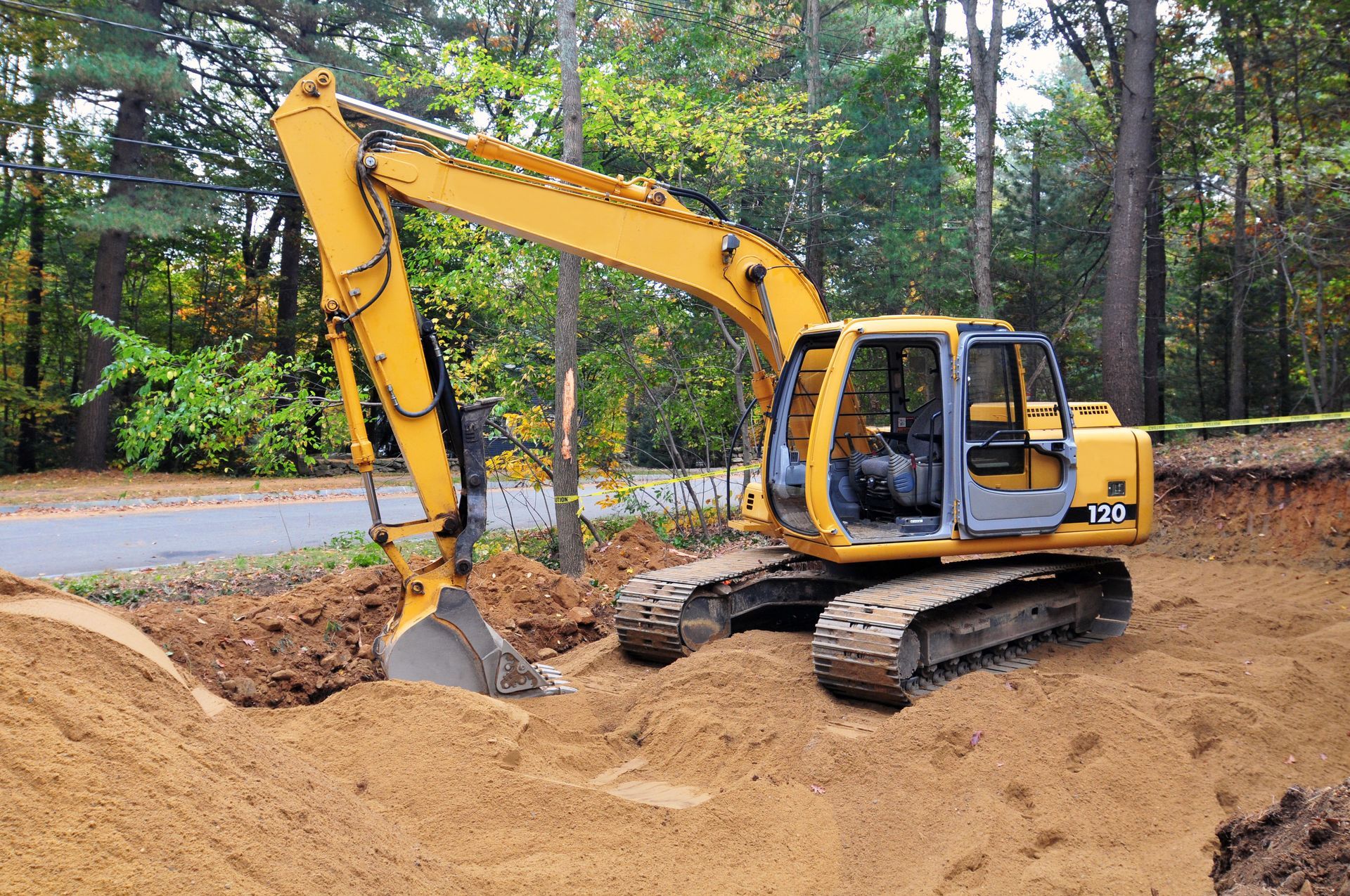
The earth-moving phase of excavation is pivotal in transforming a construction site into a suitable groundwork for building. This involves the removal and relocation of soil to create a leveled and stable surface, a task that enables efficient construction and minimizes the risk of structural anomalies. Grading services are paramount, establishing a uniformly sloped surface that directs water flow away from the construction, thereby enhancing the longevity of the structure. Soil stabilization is another critical task, utilizing techniques to improve soil properties and prevent erosion, which can be detrimental to the structural base. Erosion control measures are implemented extensively during earth-moving activities to protect environmental features and prevent degradation of the construction site.
Earth-moving is indispensable in shaping the topography of a construction site to meet the specific needs of the project. By manipulating the landscape, contractors ensure that the site has an optimal layout for construction, drainage, and accessibility. Proper grading is essential for effective water management, preventing water pooling, which can jeopardize the integrity of the build. Soil stabilization incorporates various techniques such as compacting, mixing with cement or other materials, to improve load-bearing capabilities and prevent undesirable structural shifts. Erosion control serves not only to protect against construction delays and safety issues but also to uphold environmental responsibilities, demonstrating the excavators’ roles as both builders and stewards of the environment.
Through expert earth-moving practices, the excavation industry confirms its vital role in the successful execution of construction projects. These services reflect a deep understanding of soil mechanics and landform design, crucial for creating a durable and reliable construction site. By effectively managing and moving vast quantities of earth, excavation teams make significant contributions to the overall effectiveness and success of construction projects. The financial value generated by these activities underscores their economic importance, as seen in the substantial revenue the industry produces. In essence, earth moving is a fundamental component that enables construction initiatives to proceed smoothly and safely, ensuring project viability and integrity.
Rock and Dirt Removal
Rock and dirt removal is a critical component of excavation, involving the clearing of large rocks and soil to create a conducive building environment. The process often starts with boulders and large rock removal, utilizing heavy machinery to break down and transport sizable obstacles that could impede construction progress. Topsoil excavation is another vital task, removing the fertile soil layer to reach more stable subsoil which is better suited for structural purposes. Subgrade excavation tailors the site’s depth and contour to meet specific foundational requirements, enhancing structural safety and efficiency. Debris transportation and disposal follow these initial steps, ensuring that removed materials are handled sustainably and do not disrupt ongoing activities on the site.
Effective rock and dirt removal demands specialized equipment and techniques to handle the various challenges presented by different terrain types. The removal of large rocks and boulders is particularly complex, often requiring sequential operations, such as blasting or cutting, before transportation. Topsoil excavation must be executed with caution to preserve environmentally beneficial soil for future landscaping or agricultural use. Subgrade excavation, often involving precision grading and soil compaction, prepares the site for the weight and distribution needs of the particular construction being undertaken. Proper debris disposal is crucial for maintaining site organization and reducing environmental impact, often involving recycling where possible.
Understanding the scope of excavation services is essential for any construction project. From initial site preparation to employing advanced techniques, the excavation phase lays the groundwork for a successful build. Ensuring safety and efficiency at every step of the process is key to achieving project goals and delivering quality results. The excavation industry’s vast contribution, as reflected in its significant economic footprint, echoes its role in constructing safe and stable infrastructures. Acknowledging the expertise and foresight required in excavation underscores its indispensable place in the construction industry, ensuring that future builds not only meet practical demands but also adhere to standards of safety and sustainability.Reach out to Davis Bulldozing Services today to see how we can help you!

Share On: