November 18, 2026
Unmanaged stormwater runoff can quickly transform valuable rural acreage into an unstable landscape of deep gullies, washed-out access roads, and depleted topsoil. Rural landowners face unique challenges when seasonal downpours strike vast, open parcels without adequate ground stabilization. Implementing effective erosion control strategies preserves your soil, safeguards your building foundations, and protects the long-term value of your land.
Identifying Common Signs of Stormwater Erosion
Recognizing the earliest signs of erosion allows property owners to intervene before minor drainage paths turn into destructive chasms. Surface soil often moves quietly at first through sheet erosion, where uniform layers of topsoil wash away across broad pastures during heavy rains. Over time, that subtle sheet flow concentrates into small, visible rills that carve miniature channels through bare earth. If those rills remain unaddressed, consecutive storms deepen and widen them into severe gullies that threaten pasture boundaries, fencing, and equipment access.
Another frequent sign of runoff trouble appears along private rural roads, gravel lanes, and culvert crossings. When ditch lines overflow or lack proper slope, rushing water undermines the road base, creating dangerous washouts and impassable mud holes. Standing water that lingers for days in low-lying pastures or around barns indicates compacted soils and inadequate surface drainage. Identifying these problem areas early gives you the opportunity to assess slope changes and develop a strategic earthmoving plan that directs runoff away from your daily operations.
Understanding Natural Topography and Soil Composition
Every parcel of rural land features distinct geographic contours, underlying subsoils, and natural watershed patterns that dictate how water travels across the surface. Clay-heavy soils, common across many rural regions, absorb moisture slowly and produce extensive surface runoff during intense storms. In contrast, sandy or silty soils absorb moisture more readily but wash away rapidly when velocity increases along unprotected inclines.
Because no two properties share the identical slope or soil density, effective stormwater management requires a comprehensive assessment of natural drainage corridors. Establishing permanent control involves mapping where rainwater gathers, measuring the steepness of surrounding grades, and determining where redirected water can safely discharge without damaging neighboring land. Partnering with licensed excavating contractors gives you access to specialized site evaluations and grade-checking technology, ensuring your earthwork plan works in harmony with the natural lay of your land.
Reshaping Slopes with Professional Land Grading
Correct surface grading serves as the primary defense against uncontrolled runoff on any rural acreage. When ground slopes improperly toward structures or drops too sharply down exposed banks, gravity accelerates water velocity and strips away nutrient-rich soil. Strategic land grading smooths out steep drop-offs, distributes surface water into gentle sheets, and channels high-volume flows into controlled drainage swales.
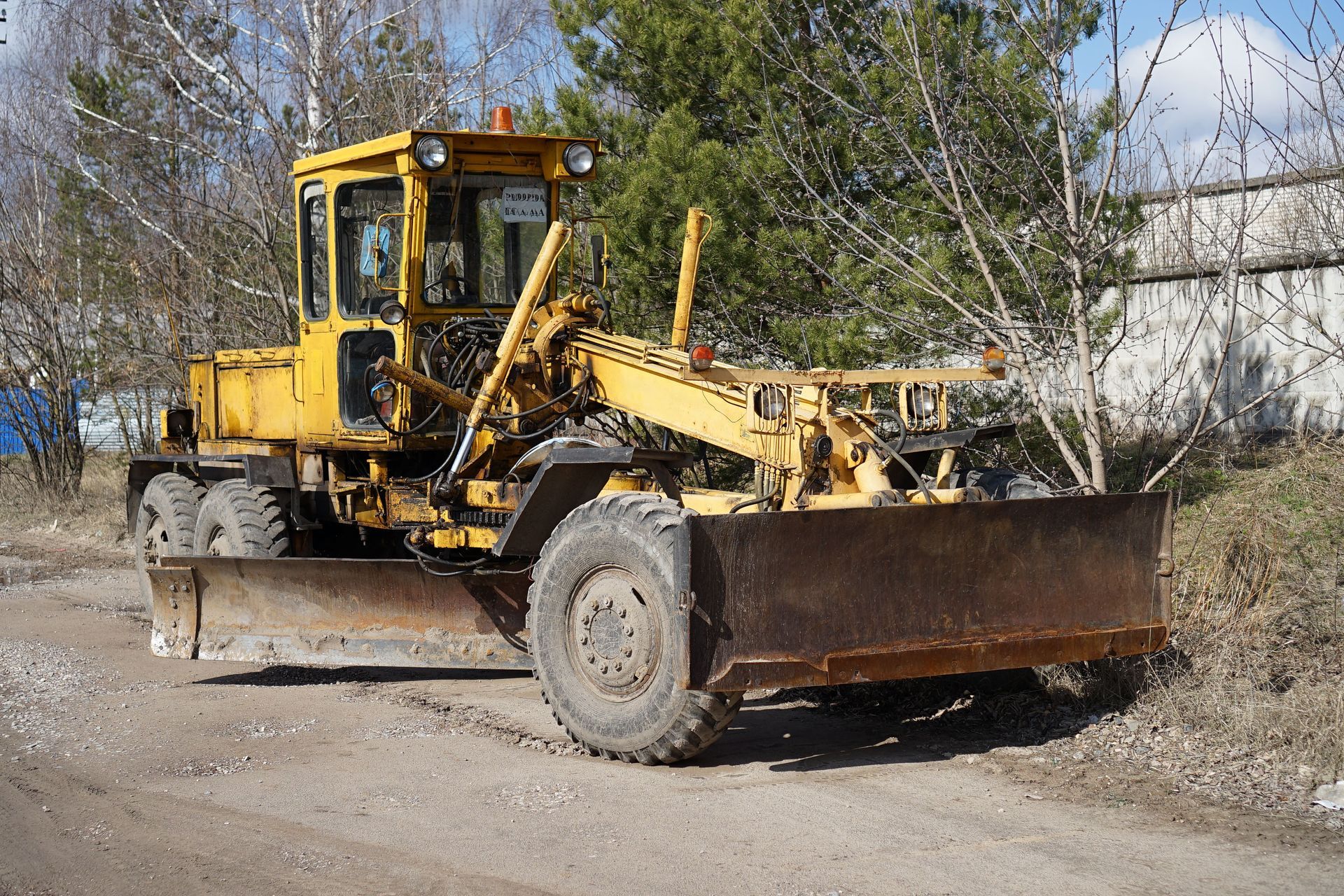
Professional operators use heavy bulldozers and motor graders to reshape natural grades into broad, shallow contours known as grassed waterways or diversion berms. These contours intercept rushing water along hillsides and route it around home sites, livestock paddocks, and agricultural structures. By slowing down the forward momentum of storm runoff, properly graded terrain encourages water to soak naturally into the earth rather than washing topsoil into nearby creeks. Working with seasoned excavating contractors guarantees that slopes are cut at precise angles, preventing the structural slumping and surface failure that frequently plague poorly graded hillsides.
Clearing Overgrowth and Preparing Stable Ground
Dense thickets of invasive brush, dead timber, and neglected undergrowth often hide progressive erosion from view until catastrophic failure occurs. While healthy ground cover protects soil, unmanaged overgrowth frequently chokes natural waterways, forcing storm runoff to carve unpredictable and destructive new channels through your property. Strategic land clearing removes problematic vegetation, dead root systems, and accumulated debris to restore orderly drainage paths.
During the clearing process, heavy equipment operators carefully strip away unwanted timber while preserving healthy perimeter shade trees and deep-rooted native grasses that naturally anchor the soil. Once the brush is cleared, the ground must be methodically prepared and compacted to establish an even, stable base for future building pads, pasture seeding, or gravel access lanes. Experienced excavating contractors utilize specialized machinery to clear terrain without gouging unnecessary ruts into the earth, ensuring the subgrade remains firm, uniform, and fully prepared for long-term stabilization measures.
Constructing Ponds for Strategic Runoff Retention
On expansive rural parcels, managing massive volumes of seasonal rainwater requires dedicated retention features that capture and hold excess water on-site. Farm ponds and retention basins provide an ideal dual-purpose solution for rural land management. By collecting rapid stormwater runoff from surrounding hillsides, a well-placed pond acts as a functional sediment trap that buffers downstream pastures from flash flooding while simultaneously creating a dependable water reservoir for livestock, wildlife, and outdoor recreation.
Building a functional pond involves far more than simply digging a hole in the ground. The site must feature adequate clay content to hold water, a carefully engineered core trench to prevent sub-surface leaks, and an accurately sized emergency spillway to safely release overflow during record downpours. According to the National Demolition Association, there are over 234,318 excavation contractor businesses in America. Choosing qualified excavating contractors ensures your pond is designed with the proper depth, reinforced dam walls, and stabilized banks required to handle heavy seasonal runoff without risking structural washouts.
Installing Functional Drainage and Swale Systems
Once bulk grading and retention ponds are in place, targeted drainage installations ensure water flows smoothly away from homes, barns, and utility lines. Swales lined with durable rock or established turf grass provide resilient, low-maintenance conduits that guide surface water across the property. When sized correctly, these shallow channels handle substantial water volume without scouring out the underlying soil.
In areas where surface swales are impractical, sub-surface drainage techniques help draw excess water out of saturated ground. French drains, perimeter curtain drains, and heavy-duty culverts installed beneath gravel driveways allow water to move beneath the surface without eroding roadbeds. Solid site preparation ensures that these drainage pipes are embedded within clean, washed stone and wrapped in geotextile fabric to prevent silt from clogging the system over time. Relying on proficient excavating contractors ensures your underground pipes are set to true gravity falls, delivering reliable drainage year after year.
Choosing Experienced Equipment Operators for Long-Term Results
Operating heavy earthmoving machinery requires extensive training, field experience, and a deep understanding of soil mechanics. Moving hundreds of cubic yards of wet earth with a bulldozer demands precise blade control to avoid over-excavating or disturbing natural subgrades. Attempting major grading or pond building without appropriate machinery often worsens erosion problems, creating loose soil beds that wash away during the very next thunderstorm.
Professional earthmovers arrive on-site with modern bulldozers, track excavators, and compactors designed to handle tough terrain efficiently. They understand local environmental guidelines, utility clearance protocols, and proper compaction densities needed for lasting structural stability. Hiring established excavating contractors gives you complete confidence that your site preparation, land clearing, and drainage improvements are executed correctly the first time, protecting your property investment for generations to come.
Investing in comprehensive stormwater management safeguards your rural property from devastating soil loss and costly structural repairs. When you are ready to stabilize your slopes, build a custom pond, or clear your acreage, Davis Bulldozing Service provides the dependable excavation, grading, and drainage solutions your land requires. Contact our experienced team today to schedule an on-site consultation and protect your rural property with reliable earthwork solutions.