November 24, 2026
Large-scale land clearing involves more than removing trees, brush, and other vegetation. These projects require careful planning, specialized equipment, and an understanding of environmental and legal requirements. Without professional assistance, property owners may face costly mistakes, safety hazards, and long-term damage that affects how the land can be used. Understanding these risks makes it easier to recognize the importance of hiring an experienced crew to handle extensive clearing projects.
Understanding Local Regulations and Permits
Land clearing projects are subject to environmental regulations and local permitting requirements. Depending on the location and scope of the project, property owners may need approval before removing vegetation, disturbing soil, or modifying drainage areas. Failing to meet these requirements can result in fines, delays, and other legal complications.
Professional land clearing services understand the regulations that apply to different projects. They can help ensure the necessary permits are obtained and that clearing activities comply with local requirements. This preparation helps prevent unexpected interruptions and keeps projects moving forward.
Protecting Surrounding Ecosystems
Removing large amounts of vegetation can significantly affect the surrounding environment. Trees and plants provide habitats for wildlife, stabilize soil, and help maintain natural water systems. Improper clearing can disrupt these functions and contribute to lasting environmental damage.
Professional crews evaluate the property before beginning work to identify potential environmental concerns. They can account for sensitive areas, native vegetation, and nearby waterways when planning the project. Responsible land clearing helps limit unnecessary disturbances while preparing the property for its intended use.
Preventing Soil Erosion and Water Pollution
Vegetation plays an important role in keeping soil in place, particularly on sloped or uneven properties. When trees, shrubs, and ground cover are removed without proper planning, exposed soil becomes more vulnerable to erosion. Heavy rainfall can carry sediment into nearby streams, ponds, and drainage systems, potentially affecting water quality.
Experienced contractors understand how clearing activities influence soil stability and drainage. They can incorporate erosion control measures and account for natural water flow when developing a project plan. These precautions help protect the property and surrounding waterways from avoidable damage.
Avoiding Unexpected Project Expenses
Large-scale clearing can involve expenses that are difficult to anticipate without industry experience. Equipment requirements, labor, permits, disposal fees, and unexpected terrain conditions can all affect the final project cost. Underestimating these expenses may create budget problems before the work is finished.
Professional contractors evaluate the property's condition and project requirements before providing an estimate. Their experience helps them identify potential obstacles and determine the appropriate equipment and labor. Hiring an experienced crew can also reduce the likelihood of expensive corrections caused by improper clearing methods.
Another financial consideration is the cost of completing work that was not handled correctly the first time. Improper grading, damaged drainage systems, and incomplete debris removal can require additional contractors and equipment. Professional services help reduce these risks by establishing a clear project plan and addressing potential complications early.
Reducing Liability and Insurance Risks
Land clearing involves heavy machinery, falling trees, unstable ground, and other potentially dangerous conditions. Accidents can cause serious injuries, property damage, and financial liability. Property owners who hire inexperienced or uninsured operators may also face additional complications if something goes wrong.
Established contractors typically maintain appropriate insurance coverage and follow industry safety requirements. Before hiring a company, property owners should verify its insurance and understand the protections included in its service agreement. Working with qualified professionals provides greater financial protection and helps reduce unnecessary liability.
Maintaining Workplace Safety
Operating bulldozers, excavators, and other heavy equipment requires special training. Improper machinery operation can lead to serious accidents, particularly when workers encounter unstable terrain, hidden obstacles, or falling debris. Professional crews understand these hazards and follow established procedures to protect everyone involved.
According to Rise Online Advertising, a typical professional land clearing crew usually consists of two to three operators. This team structure allows workers to coordinate equipment operation and project responsibilities while maintaining awareness of surrounding conditions. Professional training and communication are essential for completing large-scale projects safely.
Using the Right Equipment for the Property
Different properties require different equipment depending on their size, vegetation, terrain, and intended use. Attempting to complete a large project without access to appropriate machinery can result in inefficient work and damage to the surrounding property. Choosing equipment without understanding the site's conditions can also create unnecessary safety risks.
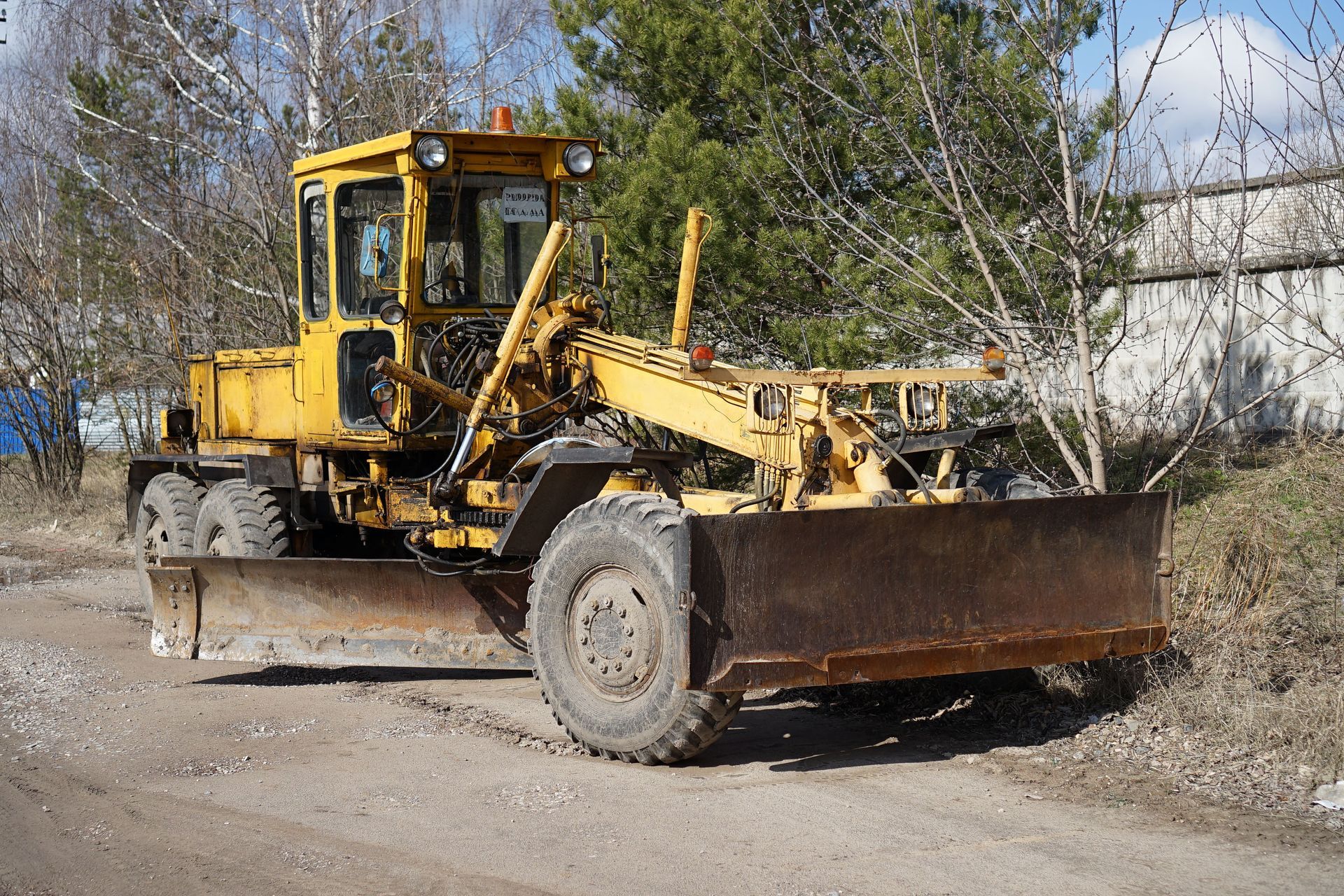
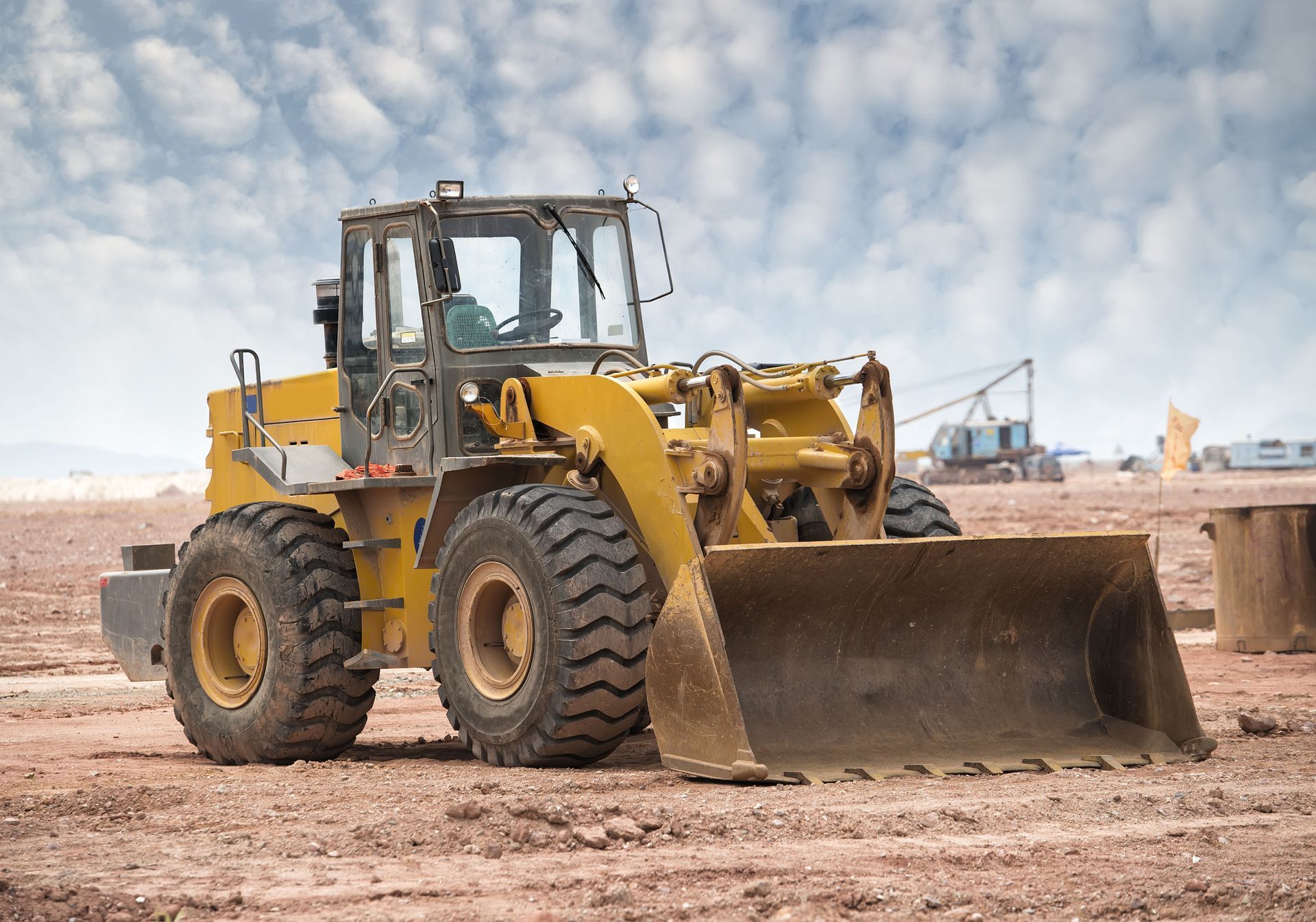
Professional land clearing contractors have access to specialized machinery designed for different clearing requirements. They understand how to select equipment based on vegetation density, ground conditions, and the amount of material that needs to be removed. This knowledge helps ensure the work is completed efficiently and with greater precision.
The condition of the equipment is equally important. Machinery that is poorly maintained can break down during critical stages of a project, creating delays and additional expenses. Professional contractors understand the importance of equipment inspections and routine maintenance to keep operations running smoothly.
Addressing Difficult Terrain and Hidden Obstacles
Large properties often contain challenges that are not immediately visible. Rocky ground, uneven elevations, buried debris, and unexpected drainage issues can complicate clearing operations. These conditions may increase project costs or create hazards when they are not identified before work begins.
Experienced contractors assess the property to determine how its terrain will affect the project. They can adjust equipment selection and clearing plans to account for difficult conditions. This preparation helps prevent unnecessary delays and reduces the likelihood of damaging the property.
Preserving Future Land Usability
How a property is cleared can influence its usefulness for years to come. Excessive soil disturbance, compaction, and changes to natural drainage can make future construction, agriculture, or landscaping more difficult. Improper clearing may also leave behind uneven surfaces or unstable areas that require additional work.
Professional contractors consider the property's intended purpose when planning their services. Whether the land is being prepared for residential construction, commercial development, or agricultural use, the clearing process should support those long-term objectives. Careful planning helps preserve the property's potential and reduces the need for future restoration.
Protecting Long-Term Property Value
Poorly managed clearing can diminish property value by damaging natural resources and creating costly maintenance concerns. Soil erosion, drainage problems, and the destruction of important vegetation may make the property less attractive or functional. These problems can also interfere with future development plans.
Professional land clearing helps property owners avoid many of these complications. Contractors evaluate the site's existing conditions and use appropriate methods to prepare it for future improvements. Investing in experienced services can help protect the property's condition and long-term value.
Improving Project Scheduling and Efficiency
Large-scale clearing projects often involve several stages, including property evaluation, equipment preparation, vegetation removal, and debris management. Without proper coordination, these stages can become disorganized and extend the project timeline. Delays may affect construction schedules, development plans, and other work that depends on having a cleared property.
Professional contractors understand how to organize these responsibilities and coordinate the necessary equipment and labor. Their experience allows them to anticipate potential obstacles and establish realistic project timelines. Efficient scheduling helps property owners move forward with development plans while reducing unnecessary downtime.
Managing Debris and Clearing Waste
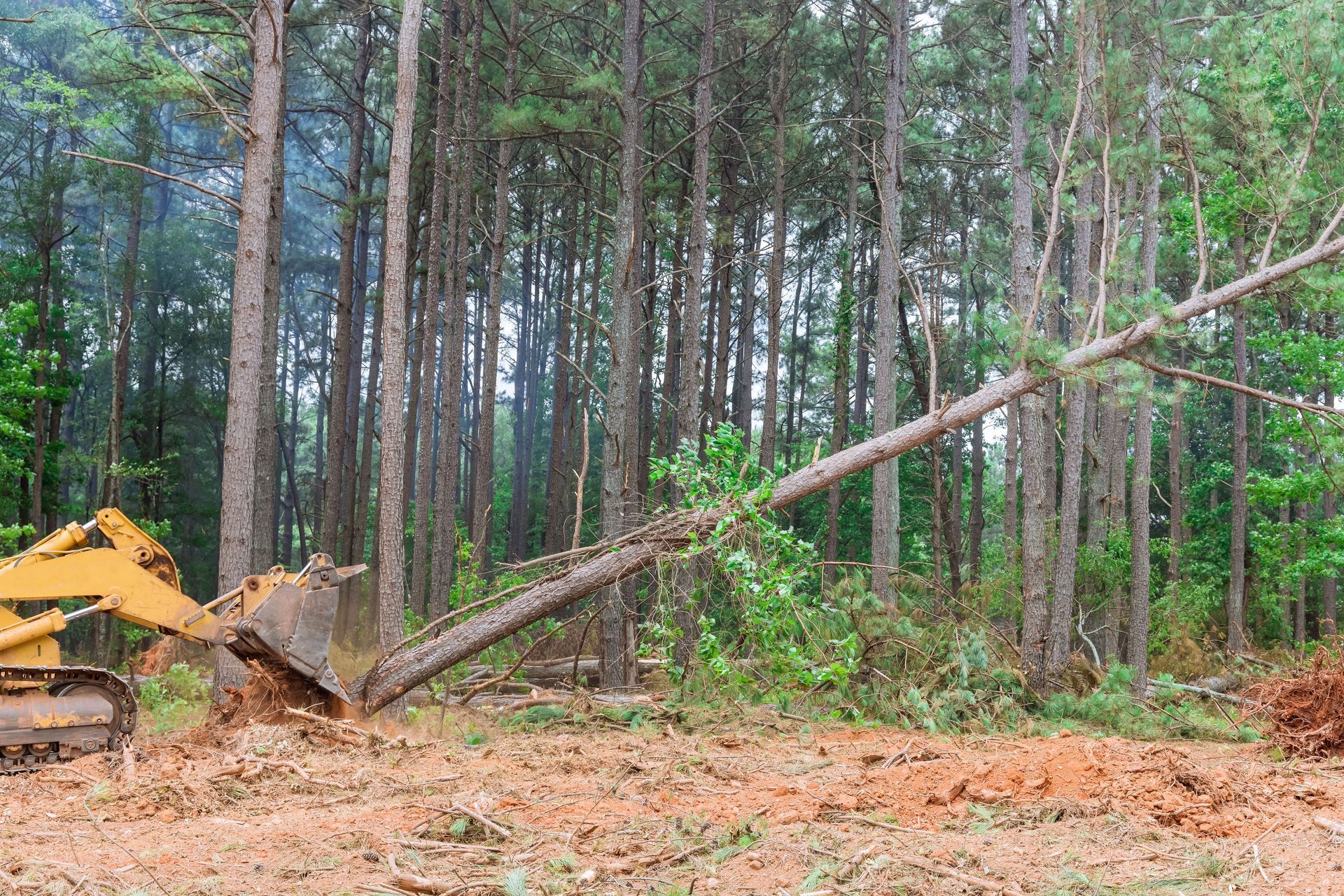
Large clearing projects can generate substantial amounts of brush, branches, tree trunks, and other organic material. Managing this debris is an important part of the overall process, particularly when working on large properties. Inadequate debris management can leave the site cluttered, create safety hazards, and interfere with future construction or property improvements.
Professional crews understand how debris removal fits into the overall clearing plan. They can account for the amount and type of material produced while determining appropriate handling and disposal arrangements. Proper management helps leave the property in a more organized condition for its next stage of development.
Choosing Professional Land Clearing Services
Large-scale clearing requires the right combination of equipment, experience, planning, and safety procedures. Attempting these projects without professional assistance can expose property owners to environmental damage, unexpected expenses, legal problems, and serious safety hazards. Working with experienced contractors helps address these concerns while ensuring the property is prepared for its intended use.
For dependable land clearing, property owners can turn to Davis Bulldozing Service. Their team can help evaluate project requirements and determine an appropriate approach for preparing the property. Contact Davis Bulldozing Service today to discuss your project and learn how professional land clearing can help you move forward with confidence.